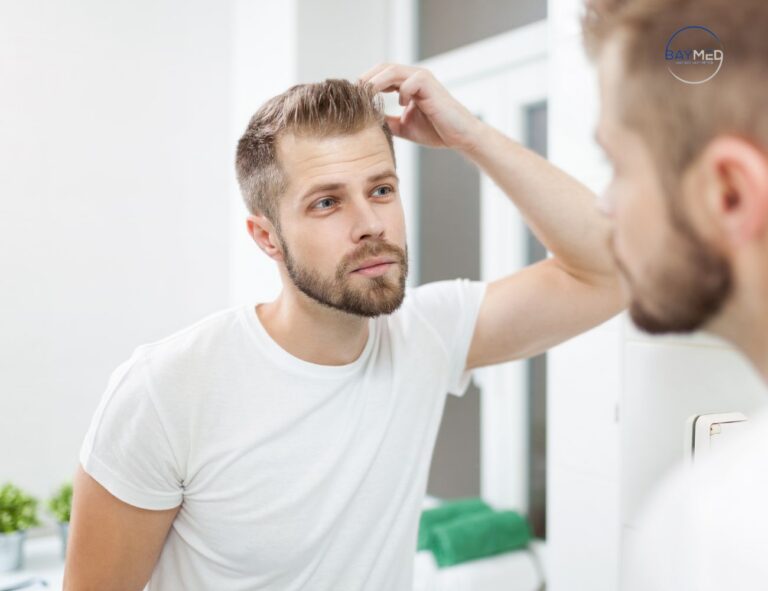

Hair thinning is often associated with aging, but for many individuals, it can begin as early as their 20s. Experiencing hair loss or noticing a visibly thinner hairline at this stage of life can be distressing and confusing. If you’re facing hair thinning in your early 20s, you’re not alone—and more importantly, there are solutions. In this article, we’ll explore the most common causes of early hair thinning and proven treatment options to restore and maintain hair health.
Table of Contents
Understanding Hair Thinning in Your 20s
Hair thinning refers to a gradual loss of hair density rather than complete baldness. This can manifest as increased hair shedding, a widening part, a more visible scalp, or a generally less voluminous appearance. Unlike typical daily shedding (which ranges from 50 to 100 hairs per day), early-onset thinning may indicate an underlying issue that requires attention.
The good news? Early intervention often leads to the best outcomes.
Common Triggers of Hair Thinning in Early 20s
Genetics (Androgenetic Alopecia)
One of the most common causes of hair thinning in both men and women is hereditary hair loss, also known as androgenetic alopecia. In men, this often appears as a receding hairline or thinning at the crown. In women, it typically shows as overall thinning without a receding hairline. If your parents or grandparents experienced early hair loss, your genetics may play a role.
Hormonal Imbalances
Hormones have a significant impact on the hair growth cycle. Conditions such as Polycystic Ovary Syndrome (PCOS), thyroid disorders, or sudden changes due to birth control can lead to hormonal fluctuations that trigger hair thinning.
Stress and Mental Health
High levels of stress, anxiety, or emotional trauma can lead to telogen effluvium, a condition where hair prematurely enters the shedding phase. This typically occurs a few months after the stressor and can last for several weeks or months if not addressed.
Poor Diet and Nutritional Deficiencies
Your hair relies on adequate nutrients to grow and remain healthy. Deficiencies in iron, vitamin D, zinc, biotin, and protein are all linked to hair loss. Many young adults adopt restrictive diets or skip meals, which may unknowingly deprive their hair of what it needs.
Over-Styling and Harsh Hair Treatments
Tight ponytails, frequent heat styling, chemical relaxers, bleaching, and harsh hair products can weaken the hair shaft and lead to breakage and thinning over time.
Medical Conditions and Medications
Certain autoimmune conditions, such as alopecia areata, or medications for acne, depression, and even antibiotics, may have hair loss as a side effect.
Lifestyle Habits
Poor sleep, excessive alcohol consumption, and smoking can reduce blood flow and nutrient delivery to the scalp, negatively impacting hair growth.
Proven Treatments for Hair Thinning in Early 20s
Platelet-Rich Plasma (PRP) Therapy
Platelet-Rich Plasma (PRP) Therapy for hair loss is a non-surgical treatment that uses the patient’s own blood to stimulate hair growth. After drawing a small amount of blood, it’s processed to isolate platelet-rich plasma—rich in growth factors that promote healing and regeneration. This plasma is then injected into the scalp in areas experiencing thinning or hair loss. PRP helps stimulate dormant hair follicles, improve hair density, and slow down shedding. It’s a safe, minimally invasive option for both men and women, with little to no downtime and natural-looking results over time.
Low-Level Laser Therapy (LLLT)
At Bay Med, we offer Capillus Laser Caps—FDA-cleared devices designed to safely and effectively support hair regrowth. Using low-level laser therapy (LLLT), these caps deliver medical-grade red light directly to the scalp, stimulating hair follicles and promoting thicker, healthier hair growth. Ideal for both men and women experiencing hereditary hair loss or thinning, Capillus Laser Caps provide a non-invasive, drug-free solution with no known side effects. With just 6 minutes of daily use, you can enjoy convenient, at-home treatment without interrupting your routine. It’s a simple and effective way to restore confidence and revitalize your hair.
Mesotherapy
Mesotherapy for hair loss is a non-surgical treatment that involves injecting a customized blend of vitamins, minerals, amino acids, and growth factors directly into the scalp. This nutrient-rich cocktail nourishes hair follicles, improves blood circulation, and stimulates hair growth while slowing down hair thinning. Suitable for both men and women, mesotherapy is typically performed in a series of sessions, with noticeable improvement often seen after a few treatments. It’s a safe, minimally invasive option for revitalizing hair naturally.
Microneedling
Microneedling involves the use of fine needles to create controlled micro-injuries in the scalp, stimulating the body’s natural healing response and boosting collagen production. This process improves blood flow and nutrient delivery to hair follicles, encouraging regrowth. When combined with growth factor serums, the treatment further promotes strong, vibrant hair.
Exosome therapy
Exosome therapy for hair loss is an advanced, non-surgical treatment that uses tiny extracellular vesicles called exosomes, rich in growth factors and regenerative molecules—to stimulate hair follicles and promote new hair growth. Derived from stem cells, exosomes help reduce inflammation, enhance cell communication, and activate dormant hair follicles. This therapy improves scalp health, increases hair density, and strengthens existing hair without the risks associated with more invasive procedures. Typically administered via scalp injections, exosome therapy offers a promising option for individuals experiencing thinning hair or early-stage hair loss, with minimal downtime and natural-looking results.
When to See a Specialist
You should see a specialist if you notice sudden, rapid, or patchy hair thinning, excessive shedding beyond normal levels, or if hair loss is accompanied by other symptoms like scalp irritation, redness, or changes in skin and nails. Additionally, if over-the-counter treatments and lifestyle changes haven’t improved your condition after several months, consulting a dermatologist or hair specialist is important. A professional can diagnose underlying causes through tests and provide a personalized treatment plan to effectively address your hair loss and prevent further progression.
Summary
Hair thinning in your early 20s is more common than you might think, and it doesn’t have to be permanent. With a proactive approach that includes understanding the cause, seeking professional help, and staying consistent with treatment, you can regain control of your hair health and confidence.
Whether it’s adjusting your diet, managing stress, or exploring innovative treatments, the earlier you act, the better the results. Don’t ignore the signs, your hair is asking for help, and with the right care, it can thrive again.